If you're searching what size frame for an 18x24 poster, the answer is: an 18x24 frame. Not a 20x26, not a "large" frame from a mystery manufacturer - a frame labeled exactly 18x24 inches. That sounds obvious, but the number of people who buy the wrong size because they assumed "a little bigger is fine" is genuinely depressing. A little bigger is not fine. The print will either float loose inside or you'll be stuffing paper behind it to hold it flat. Get the matching size.
What size frame for an 18x24 poster - the actual answer
An 18x24 poster needs an 18x24 frame. Full stop. Frame sizes are listed as the opening size - the hole the art sits in - not the outer dimensions of the frame itself. So when you buy an 18x24 frame, the rabbet (the interior lip that holds the art) is designed to accept an 18x24 sheet. The outer frame will be slightly bigger, usually by an inch or two on each side depending on the frame profile, but that part doesn't matter for fit.
Where people go wrong is buying a frame "close enough" and expecting to mat it down. You can do that, but then you need a pre-cut mat with an 18x24 outer dimension and a smaller window cut - and at that point you're doing a whole project, not just hanging a poster. If you want the print to fill the frame edge to edge, buy the exact size.
What about matting - should you go bigger?
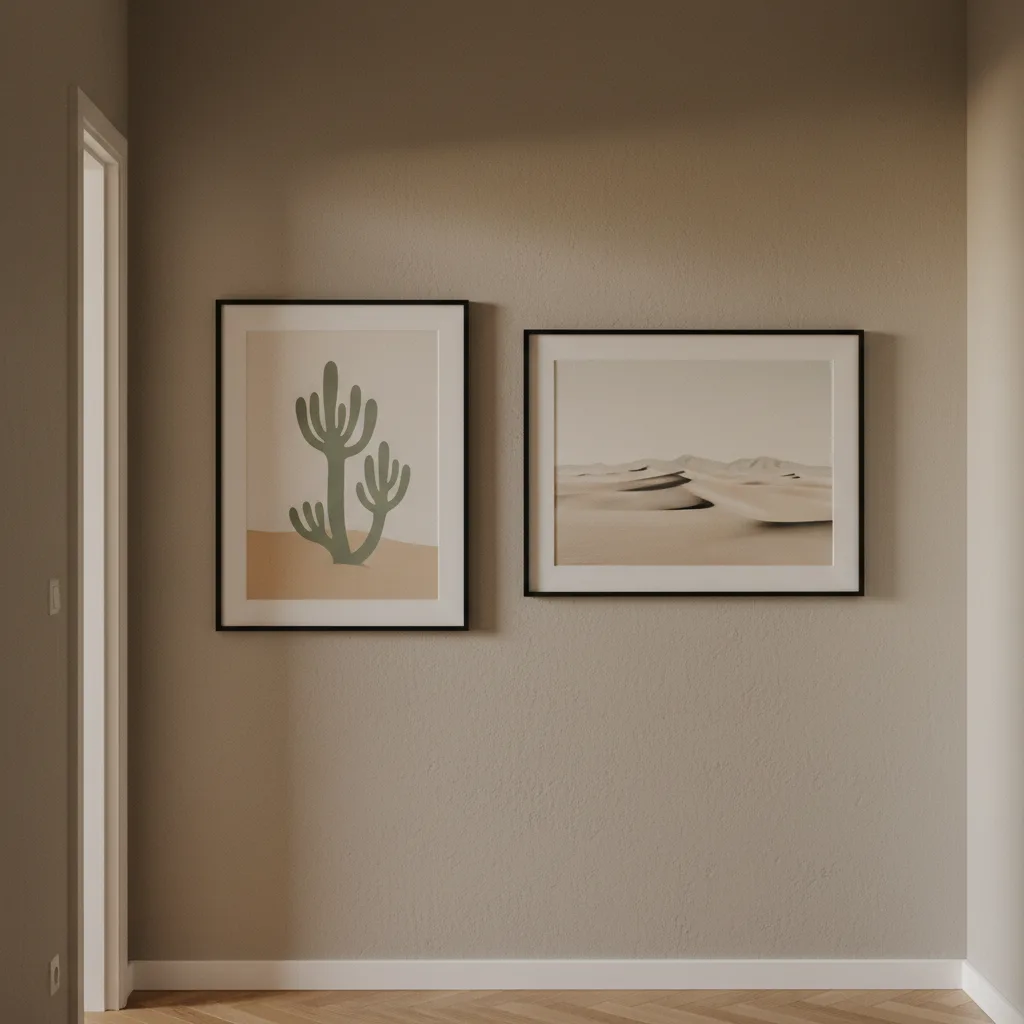
Sometimes yes. If you want a white or black mat border around the print - the classic gallery look - then you'd buy a larger frame and drop in a mat. A common choice for an 18x24 print would be a 22x28 frame with a mat cut to show 18x24. That adds about two inches of border on each side. It looks clean, it protects the edges of the print, and it makes a cheap poster look more intentional.
But if you want zero border and the print to hit the edges, skip the mat and buy the 18x24 frame. Don't overthink it.
Other common poster sizes and what frames they need
A few sizes come up constantly, and the frame math is always the same - buy the matching frame, or go larger if you want a mat.
11x17 is a standard tabloid-size print. Frames are easy to find, IKEA stocks them, most frame shops have them. No drama there.
24x36 is probably the most common large poster size - movie posters, car prints, that kind of thing. A 24x36 frame is what you need. They're a bit harder to find in physical stores than smaller sizes, so online is usually easier. This is also the size where cheap frames start to warp, so don't go too budget if the print matters to you.
12x18 is popular for art prints. Same rule: 12x18 frame, or 16x20 if you want a mat.
20x30 exists, but fewer off-the-shelf frames are made for it - you might end up going custom or buying a 20x30 frame from a specialty retailer.
Standard vs. non-standard sizes - why it matters when you're buying prints
When you buy wall art online, the size you order should match a standard frame size if you want framing to be easy. 18x24, 24x36, 12x16, 11x14 - these are all standard. Something like 15x22? You're going custom, which costs more and takes longer.
At EnjoyPoster, the print sizes in the catalog are chosen to hit standard frame dimensions. So if you order a car print or a nature poster, you should be able to walk into any frame shop - or order online - and find a frame that fits without modification. That's intentional. It shouldn't be a puzzle.
A few frame-buying mistakes worth avoiding
Cheap plastic frames flex and the print bows. If the print is large, spend a bit more on something with a rigid back.
"Poster frames" with the clip-style metal edges are fine for lightweight paper prints but the clips can crease thicker stock. Check the material weight before you buy that style.
UV-protective acrylic (not glass) is worth it if the print hangs in direct light. Regular glass or basic acrylic will fade the print faster than you'd expect, especially with bright colors.
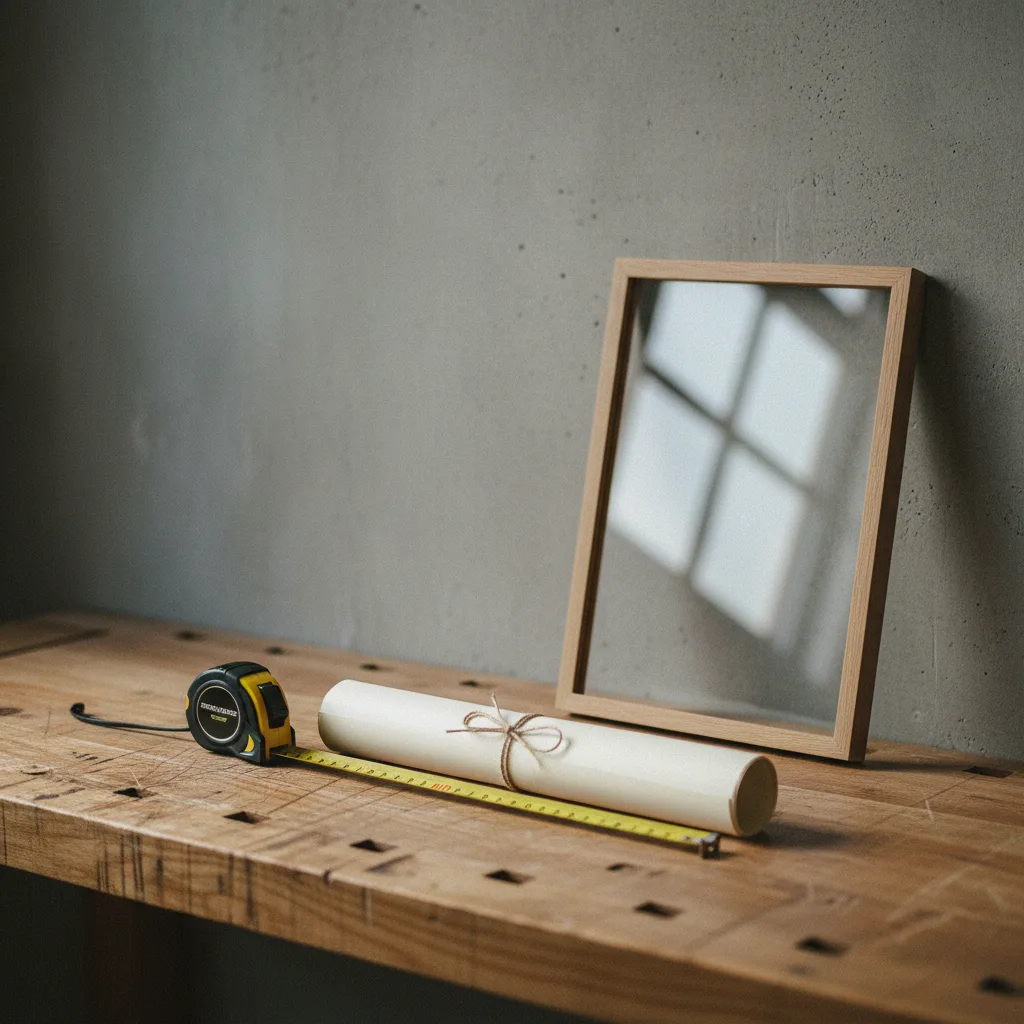
And measure before you hang. Sounds like advice you don't need, but the number of people who eyeball it and end up with a crooked frame and four extra holes in the wall is - well. Measure.