There's a version of a $25 gift that makes someone genuinely happy, and a version that gets a polite thank-you and lives in a drawer for eleven months before quietly disappearing. The price is the same. The difference is everything else.
Finding unique gifts under $30 that don't look like an afterthought is mostly about avoiding a specific set of traps - generic bath sets, novelty items with a three-second joke, anything sold in a foil bag with ribbon already attached. Those things read as last-minute because they usually are. What doesn't read as last-minute is something that clearly required you to think about the actual person.
What makes a cheap gift look cheap
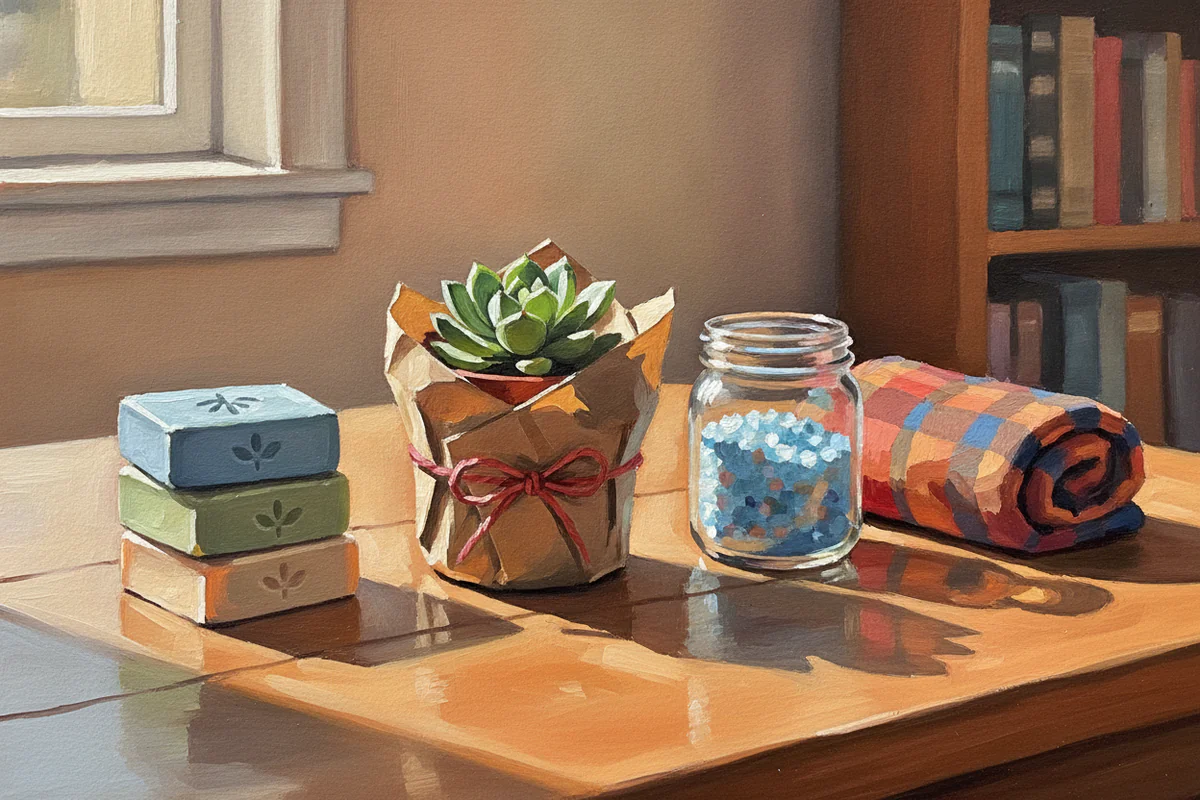
The biggest tell is genericness. A $6 scented candle from a drugstore endcap isn't just cheap, it signals that you grabbed something on the way over. A $6 candle from a small maker with an unusual scent profile and decent packaging reads completely differently, even if the price is similar. The object hasn't changed that much - the signal has.
Mass-produced novelty items are the other category to watch. Anything with a joke printed on it - a wine glass that says "mom fuel," a mug shaped like something winking - these tend to age badly and feel impersonal. The humor is aimed at a demographic, not a person. There's a difference.
And then there's the gift that's technically fine but totally disconnected from who the person is. A generic picture frame. A box of mixed chocolates. A spa kit that smells like every spa kit. Nobody's offended, but nobody's moved either. The subtext is "I needed to show up with something."
What actually works at this price point
The gifts that land well under $30 tend to share a few properties. They're specific. They reference something real about the recipient - a place they love, a thing they collect, a running joke you actually have. And they look like someone made a decision, not like someone grabbed the first thing at a reasonable price.
A well-chosen print
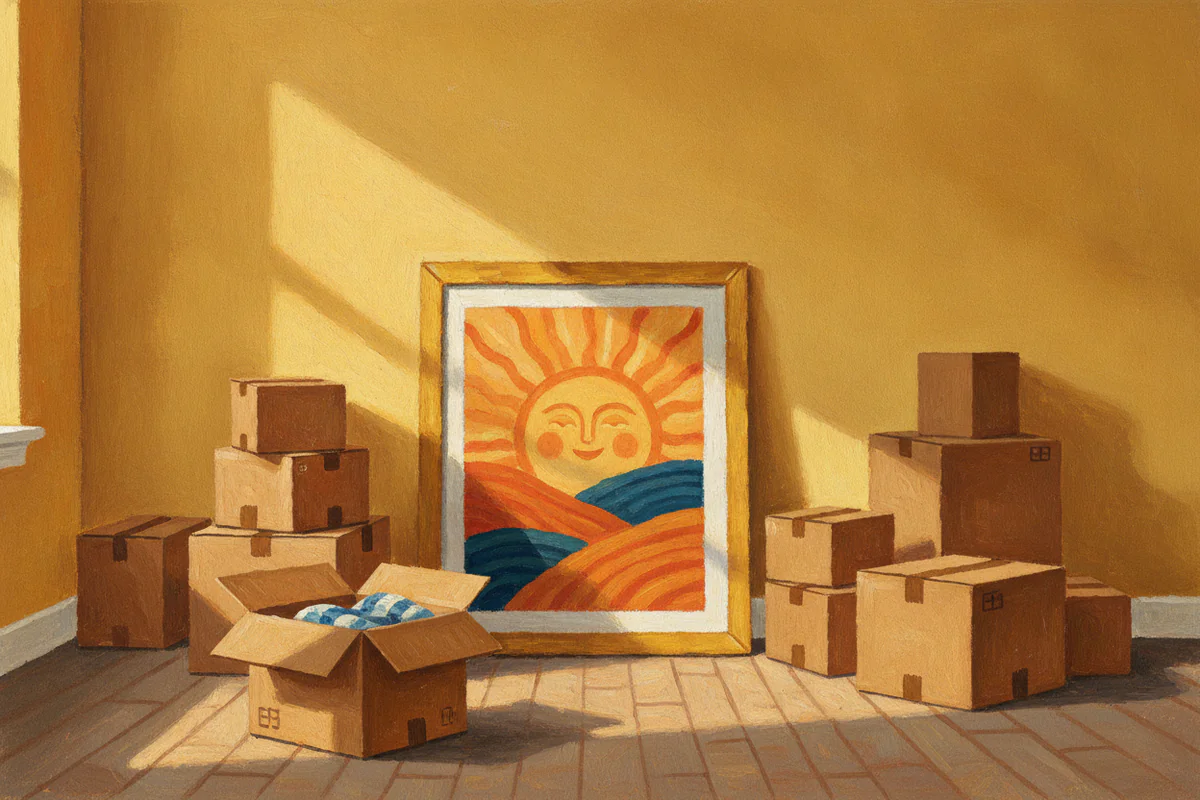
This one gets overlooked because people assume art is expensive. It doesn't have to be. A good quality poster of something genuinely connected to the person - a city they grew up in, a map of a coastline they're obsessed with, a botanical print of a plant they actually grow - costs less than a mediocre dinner out and hangs on someone's wall for years.
The key word is "well-chosen." A generic skyline of a city they've never been to is just decoration someone didn't ask for. But a print of their hometown, or the national park they hiked last summer, or a vintage-style illustration of their dog's breed - that's the kind of thing people frame and keep. Art prints starting around $29 cover a lot of ground here, and because they ship flat and boxed rather than rolled in a tube, they actually arrive looking like a real gift rather than something that got beaten up in transit.
Framed is always better than unframed if your budget allows, because it removes the recipient's to-do item. Unframed is fine too, especially if they have strong opinions about frames - some people do.
A really good mug
Not a novelty mug. Not a mug with a slogan. A mug that's genuinely nice - good weight, comfortable handle, a glaze or color that looks like someone thought about it. There are ceramic studios and small makers putting out beautiful everyday mugs in the $20-28 range, and a person who drinks coffee or tea every single morning will use that object hundreds of times. The cost-per-use math on a nice mug is actually absurd. It might be the highest-value gift on this entire list.
The version that fails is the thin-walled, overly cute mug from a gift shop that wobbles on a table. That one's going to the back of the cupboard.
A single great book
Books are one of those gifts that require you to have actually paid attention to someone, which is why they work when they work. Not a bestseller you heard about in passing - something you chose because it connects to what they care about. A cookbook for someone who's been experimenting with a specific cuisine. A slim travel memoir for someone planning a trip. A strange, specific history book about something they mentioned once. The research is part of the gift, and it shows.
Most paperbacks and a good chunk of hardcovers come in under $30, so you haven't even spent all your budget yet.
Something consumable they wouldn't buy themselves
Fancy olive oil. A small-batch hot sauce. Loose-leaf tea from an actual tea shop rather than a grocery store box. Coffee from a roaster they've never tried. These things feel indulgent to the person receiving them because they're slightly above what someone would justify buying for themselves - which is basically the definition of a good gift at any price point.
The version to avoid: a "gourmet" gift basket assembled by a fulfillment warehouse with eight items that all taste like nothing. More is not more here.
Presentation matters more than people admit
A $28 print that arrives in a nice box already looks like a considered purchase. A $28 print shoved in a manila envelope looks like a last-minute online order. Same object, very different experience. This is worth thinking about even with small gifts - a proper envelope, some tissue paper, a card that isn't just signed but has something actually written in it. That last part especially. People throw away the wrapping and keep the card sometimes. Writing two real sentences about why you got this particular thing for this particular person costs nothing and changes the whole register of the gift.
The honest baseline
Nobody expects a $30 gift to be extraordinary. But people do notice when a modest gift was clearly chosen with them in mind versus assembled carelessly. The bar for unique gifts under $30 isn't "impress them with spending" - it's "prove you were thinking of them specifically." A print of a place they love, a mug they'll actually use every day, a book that references something they told you once - these clear that bar easily. The gifts that fail at this price point aren't failing because they're cheap. They're failing because they're generic, and generic is a choice.