Most kids room wall art ideas you find online are basically disposable - bright cartoon characters, alphabet blocks, that kind of thing. Fine for a nursery, useless by the time your kid has opinions. The trick is not to pick art that "kids will love," it's to pick art that doesn't embarrass a 12-year-old sharing the same room they've had since they were four.
Why most kids room wall art ideas fail by age 8
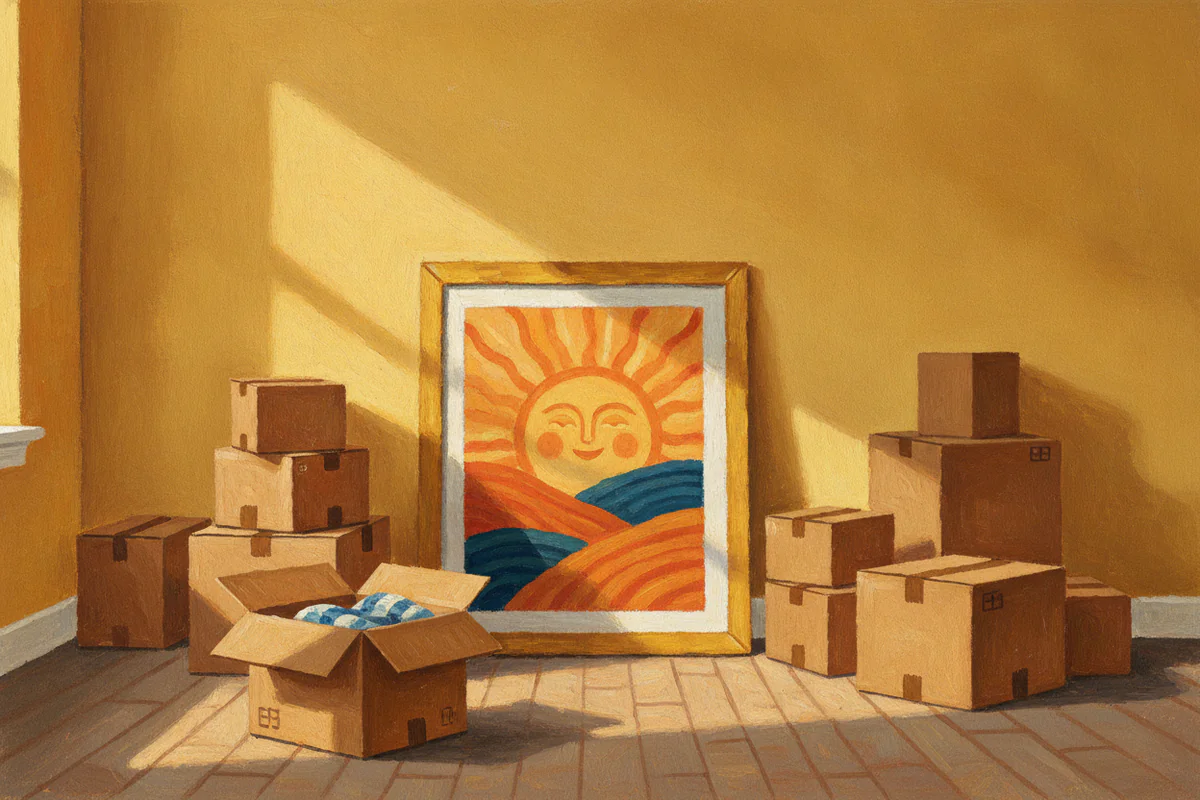
Theme-specific prints are the main culprit. The fire truck obsession lasts maybe two years. The unicorn phase, same. You buy a set of three matching posters, frame them, hang them perfectly, and then your kid decides trucks are for babies and now you've got a gallery wall of shame. The art didn't fail - the concept did. You bought a snapshot of one very specific moment instead of something with a longer shelf life.
The other mistake is going too young in style. Chunky cartoon fonts, pastel everything, characters with big round eyes. It signals "little kid room" so loudly that the second your child starts caring what their friends think, it all has to go.
What actually stays on the wall
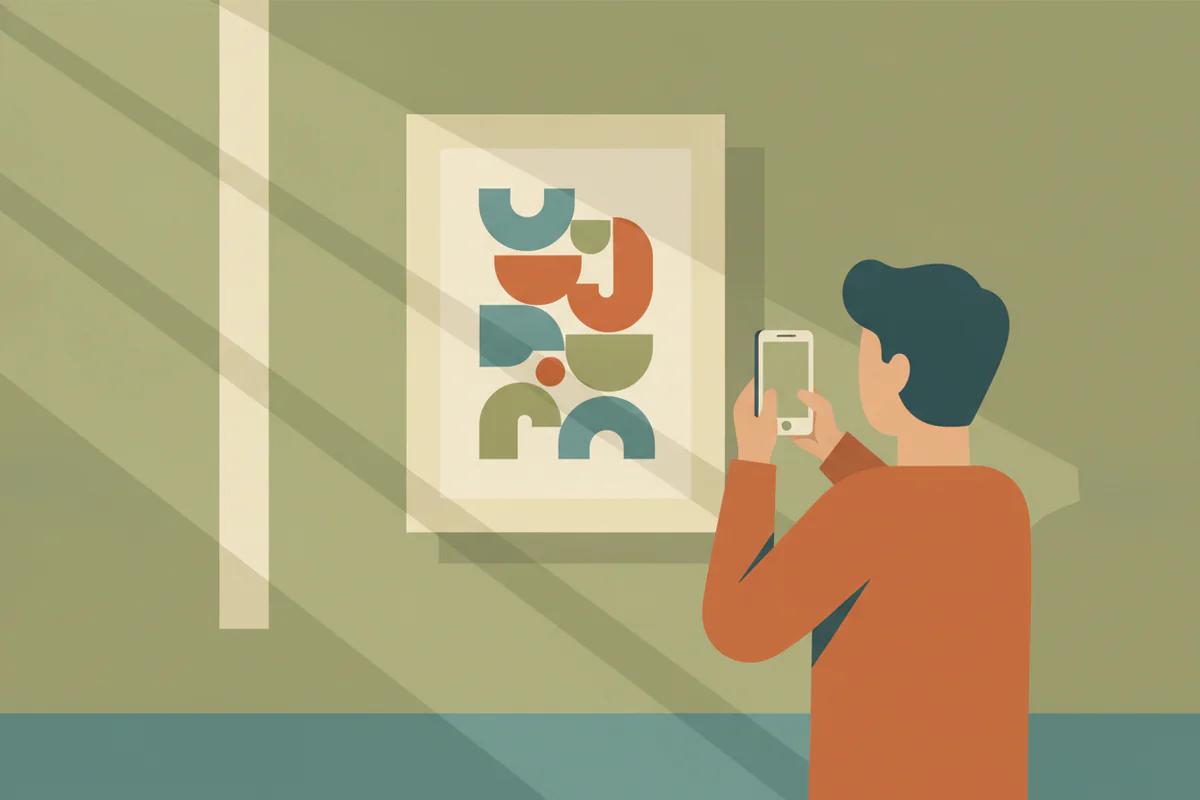
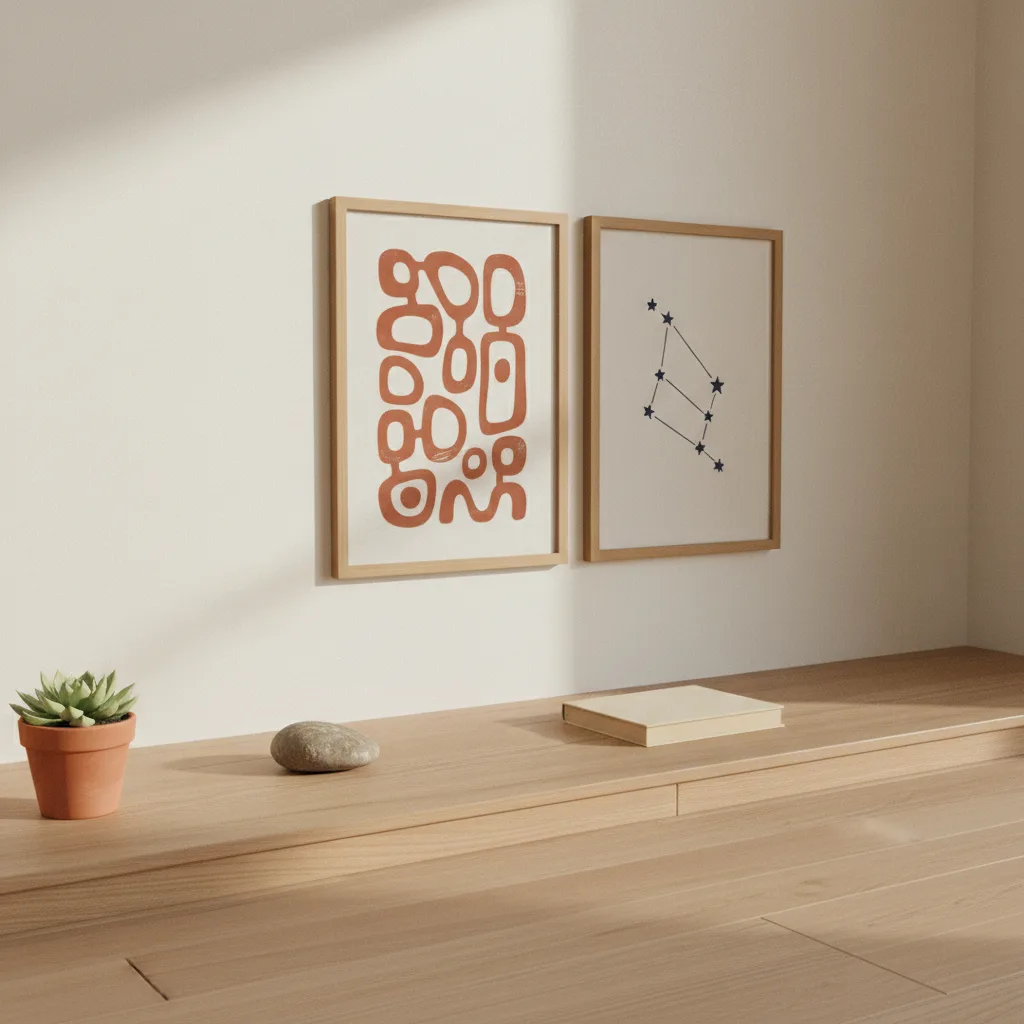
Abstract prints. Seriously, a good geometric or color-block print reads fine at age 4 and still looks intentional at 14. Kids are not anti-abstract - they're anti-boring. Give them something with strong color contrast or an interesting shape and they'll stare at it plenty.
Animals work longer than you'd think, but only if they're not cutesy. A photographic print of a wolf or a big cat, something with a bit of weight to it, will outlast any cartoon dog by years. Check the pets wall art section if you want to see what that looks like in practice.
Space and nature themes have a surprisingly long run too. A dramatic nebula print or a dense forest shot doesn't read as "kid decor" - it reads as cool. Which is the whole point.
Size and placement matter more than the print itself
One big print beats four small matching ones every time. A single large canvas on the main wall looks considered. Four small frames in a grid looks like you bought a bundle deal and ran out of ideas. As the room evolves you swap the one print, not the whole arrangement.
Low placement is also underrated. Hanging art at adult eye level in a child's room feels weird - they're not seeing it. Bring it down. And leave room to grow into; a bare wall isn't a failure, it's an invitation to add something when the kid actually has preferences worth respecting.
Letting the kid pick (within limits)
Give them real choices, not open-ended "what do you want." Open-ended gets you a picture of a video game character or whatever they saw on YouTube last week. Narrow it down to two or three options you've already approved and let them decide between those. They feel ownership over the space, you don't end up with something you'll regret in six months.
This works especially well with older kids - say 7 and up. Show them a few options from the wall art catalog, different styles, different colors, and watch which one they gravitate toward. You'll learn something about their taste and they'll actually care about the room.
Beyond the walls
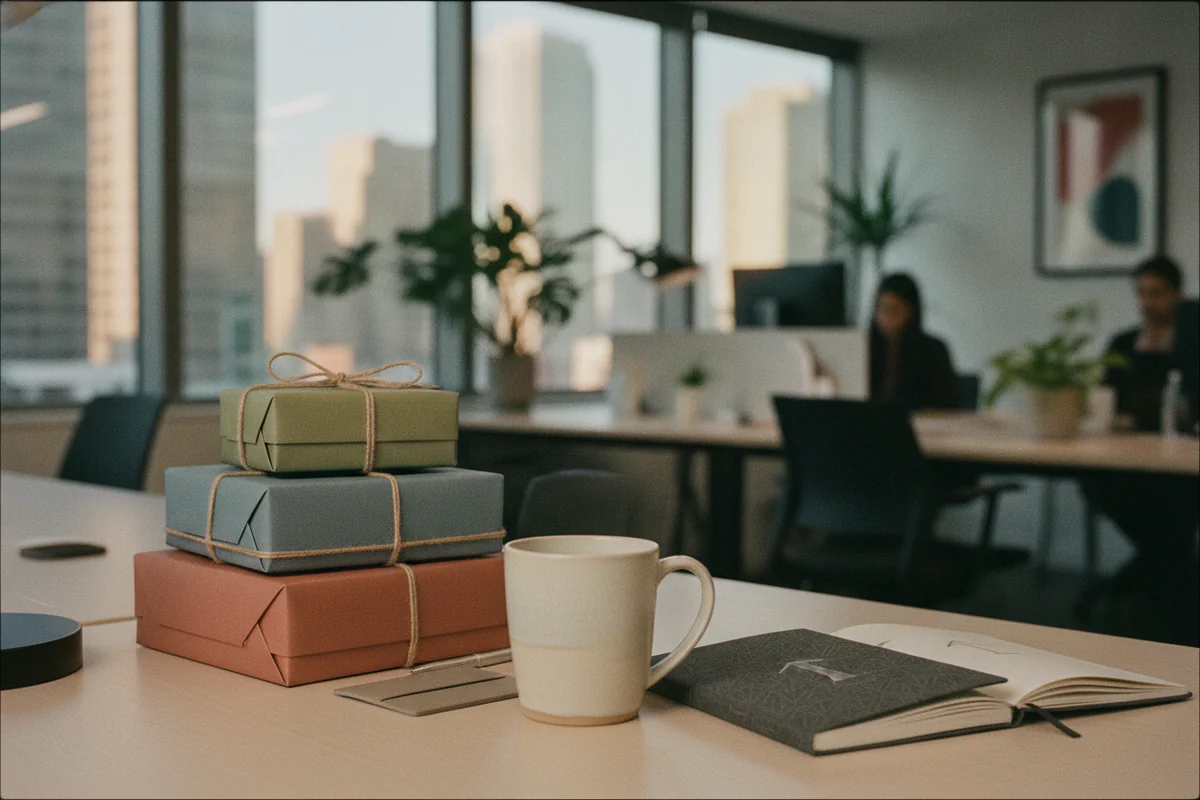
If you want the room to feel cohesive without over-committing to a single theme, extend the look into smaller objects. A mug with the same color palette on the desk, a notebook with a matching print - it ties things together without wallpapering the whole room in one idea. Easy to swap out when the phase ends. And it will end.
The rooms that survive longest are the ones that have one strong piece of wall art and a lot of breathing room around it. Not a theme park. Not a brand deal. Just something the kid actually likes, that you can both live with until they're old enough to redecorate themselves.