What your wall art says about you is probably more accurate than any personality quiz you've ever taken. People can curate their Instagram, clean up before guests arrive, wear whatever they want - but the stuff they choose to hang on a wall and stare at every day? That's closer to the truth than most of them realize.
The bare wall problem
Blank walls aren't neutral. They say something too - usually that you're either in a temporary situation you haven't committed to yet, or that you're just not paying attention to your space. Neither is great. There's a difference between minimalism (deliberate, considered, still has a few anchor pieces) and just... nothing. If your walls are empty because you keep meaning to sort it out, that's not a style choice, that's a to-do list item.
What your wall art says about you, type by type
Generic inspirational quotes in a sans-serif font - "be the change," that kind of thing - usually signal someone who bought something to fill the gap and didn't think too hard about it. No judgment, but it's not telling anyone anything interesting about you.
Car prints are different. Someone with a large-format car wall art print - a Porsche 911, a Mustang, something specific - actually cares. They picked a model, a color, an angle. That's taste, even if it's niche taste. Same logic applies to JDM prints. You either know what a Skyline R34 means or you don't, and the person who hung one on their wall definitely does.
Abstract art is interesting because it's the easiest category to fake and the hardest to do well. A single large abstract print that someone clearly thought about reads as confident. Five small abstract prints crammed together in mismatched frames reads as someone who panic-bought a gallery wall kit. The intent shows.
Pet portraits - and especially custom ones - are a genuine flex. That's someone who loves their dog or cat enough to make it permanent. Honestly, there's nothing wrong with that. A golden retriever print on the wall is more honest than most art people buy to seem sophisticated.
Scale is where most people go wrong
Small print on a big wall is one of the most common mistakes, and it signals something specific: hesitation. Like the person wanted to try having art but didn't want to commit. A print that's too small for the space doesn't anchor anything, it just floats there looking apologetic. Go bigger. One good large canvas beats three small ones every time, unless you're doing a proper gallery wall with a real layout in mind.
The thing about themed rooms
A gaming setup with wall art that actually matches the setup - cyberpunk, dark palette, something with energy - shows that someone thought about their space as a whole. Same with a home office. The people who just have a random motivational poster next to their monitor versus the ones who chose something that actually fits the vibe - you can tell who enjoys being in that room.
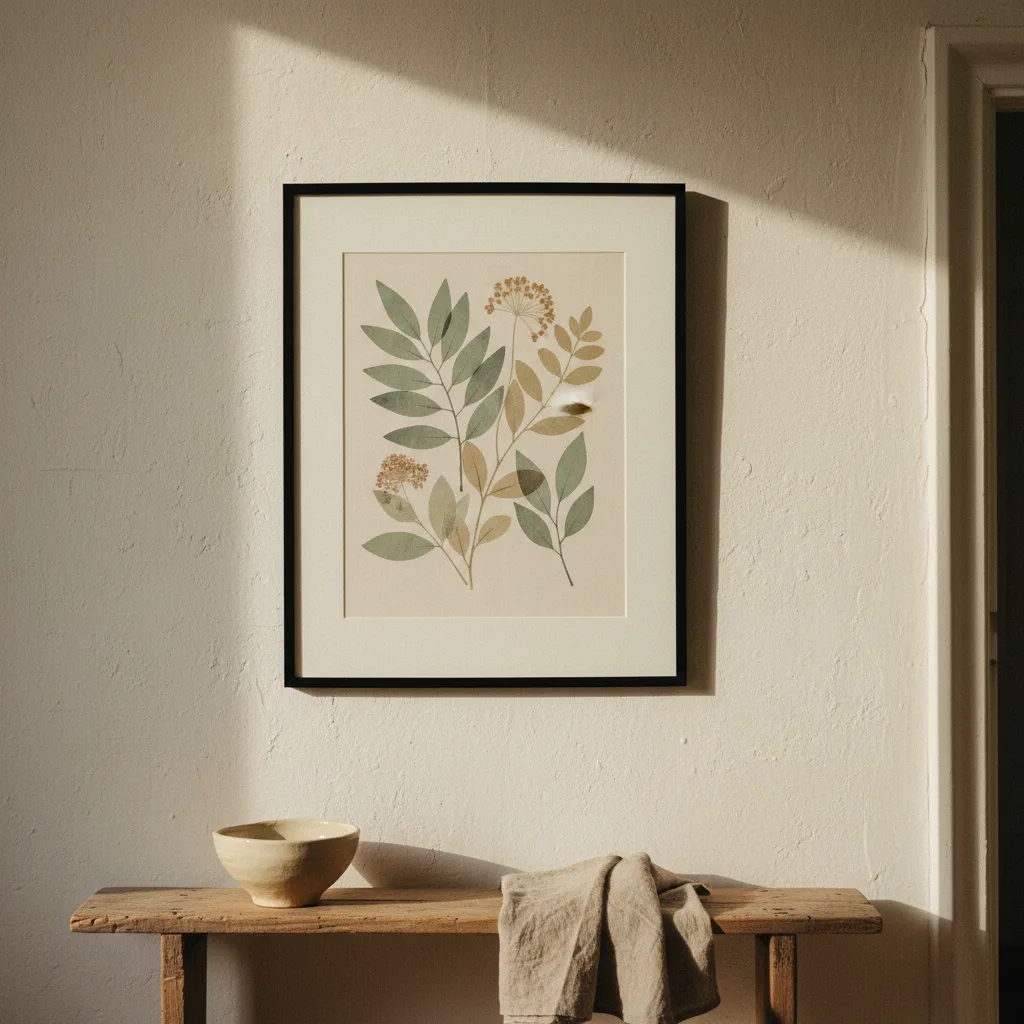
Nature prints tend to land one of two ways. Carefully chosen landscape photography or botanical art says the person has a specific visual sense and probably spent time picking it. Generic stock-photo-looking mountain prints from a fast-furniture store say the opposite. The gap between those two is smaller than people think - it's mostly about whether you chose it or just grabbed whatever was available.
What it all actually comes down to
Intention. That's it. The print itself matters less than whether someone actually chose it - looked at it, wanted it specifically, put it where it made sense. A cat print chosen deliberately is more interesting than an expensive abstract bought to impress people. Spaces that feel good to be in are usually spaces where the person made real choices, even small ones, rather than filling space for the sake of it.
Your walls are always saying something. Better to decide what that is than let the default speak for you.