Vet office wall art is one of those topics that sounds made-up until you look into it, and then you can't stop thinking about it. There's actual research - from veterinary behaviorists and environmental design studies - showing that what animals see, and especially the colors and patterns on walls around them, affects their stress response in clinical settings. So no, this isn't just about making the waiting room look nice for the humans.
Why vet office wall art matters more than most people think
Dogs and cats don't understand why they're at the vet. They smell disinfectant, hear other animals, feel a stranger's hands on them. The environment is already working against you. What's on the wall won't fix all of that, but a space that reads as calm - visually quiet, low contrast, nothing that looks like a predator or a sudden movement - does measurably less harm than a wall covered in loud graphics or clinical white nothing.
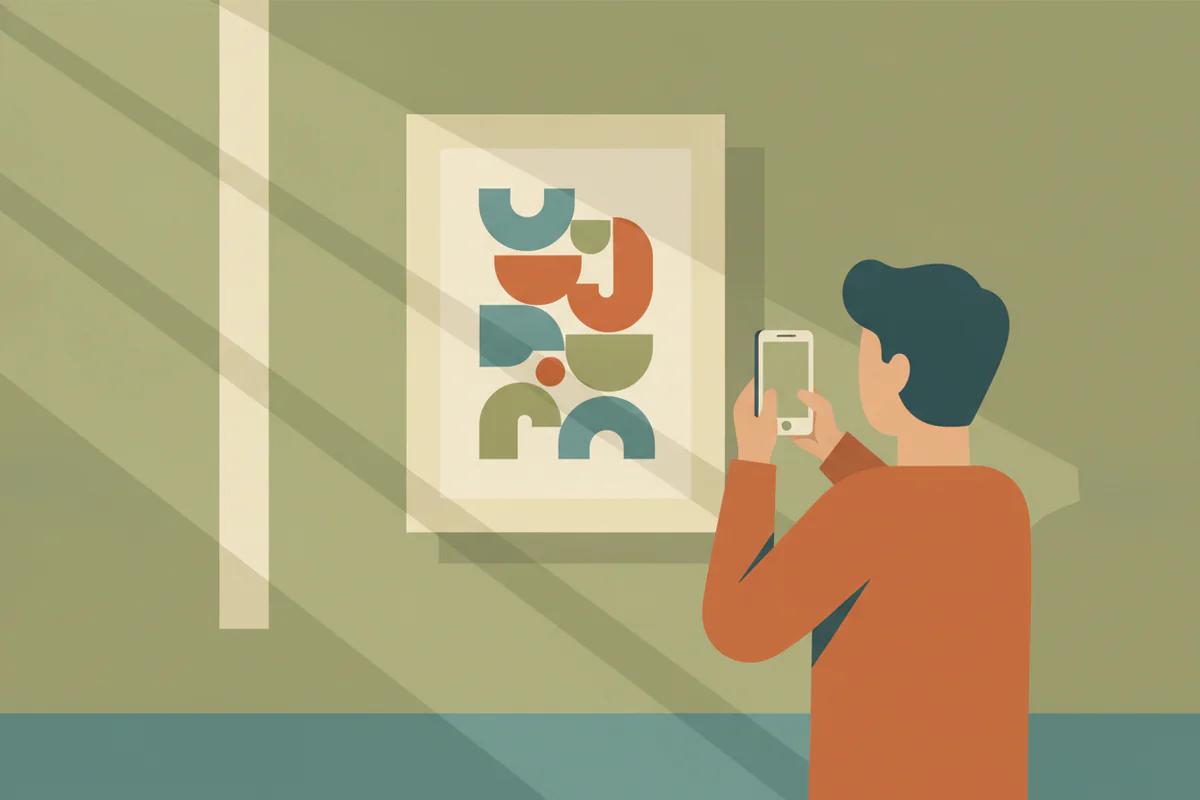
Cats especially are sensitive to visual complexity. High-contrast, chaotic imagery raises arousal. That's a real physiological thing, not a vibe. So hanging a black-and-white geometric print that looks great in a coffee shop is probably a bad call in a feline exam room.
What actually works: colors and subjects that lower arousal
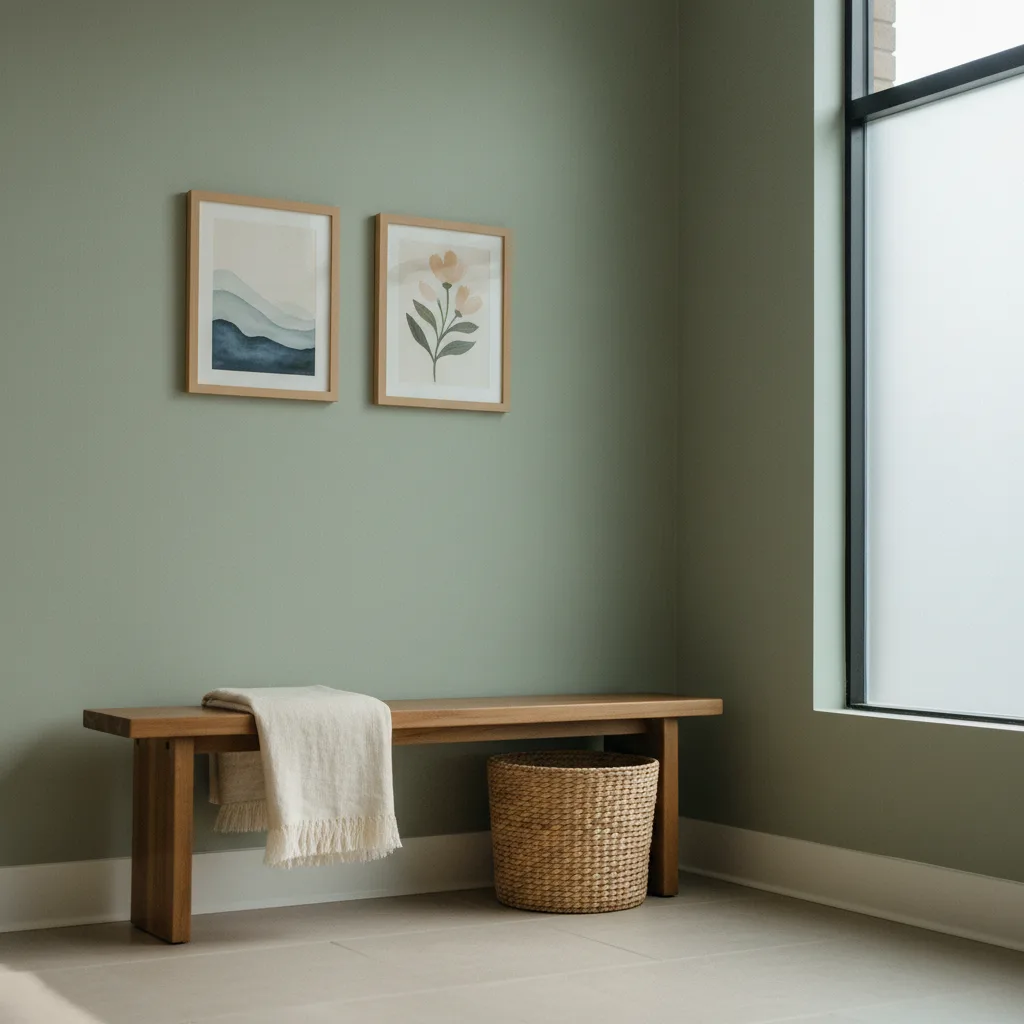
Soft greens, muted blues, warm taupes. Nature scenes without anything that reads as a threat - open meadows, shallow water, trees with no predators visible. These aren't just aesthetically safe, they're the visual equivalent of white noise. Animals don't parse art the way people do, but they do respond to contrast, movement cues, and whether something resembles a face staring at them.
Avoid anything with eyes looking directly forward. A wolf print looks cool. In a vet waiting room with a nervous border collie, it's a stressor. Same goes for large birds of prey, anything with teeth visible, and high-contrast abstract prints where the shapes could read as movement.
For dogs specifically, pastoral landscapes and images of other calm dogs (not play behavior, not alert postures) tend to be neutral to positive. For cats, the ideal is basically nothing - or something so visually quiet it barely registers. Soft watercolor botanicals. A single heron in fog. That kind of thing.
The human half of the equation
The pet owner sitting in that waiting room is also anxious, and that anxiety transfers directly to the animal. So art that calms the human does double duty. Clients who feel like they're in a competent, considered space - not a fluorescent holding pen - stay calmer, which keeps their pet calmer. It's a feedback loop and the walls are part of it.
This is where you can be a bit less conservative. A well-chosen canvas print of a golden retriever mid-run, or a quietly beautiful nature photograph, reassures the human that someone thought about this room. That matters. A waiting room that looks like no one cared is its own kind of stress signal.
Canvas prints vs. posters vs. metal prints for a clinical setting
For a vet clinic, canvas wins on durability and ease of cleaning. Posters behind glass work fine too, though glare in bright exam rooms is annoying. Metal prints look sharp but can feel cold - literally and aesthetically - which doesn't help the vibe you're going for.
Size matters more than most people realize. One large print reads as calmer than four small ones. The small-grid-of-photos trend looks great on Instagram, way too busy for a room full of stressed animals. Go bigger, go fewer.
If you're outfitting an actual clinic, pet-themed wall art with careful subject selection is the obvious starting point. But honestly, some of the best choices for vet spaces come from the nature and landscape section - things that have nothing to do with animals at all. A quiet coastal print doesn't trigger any social cues. It's just... calm.
A few things to skip entirely
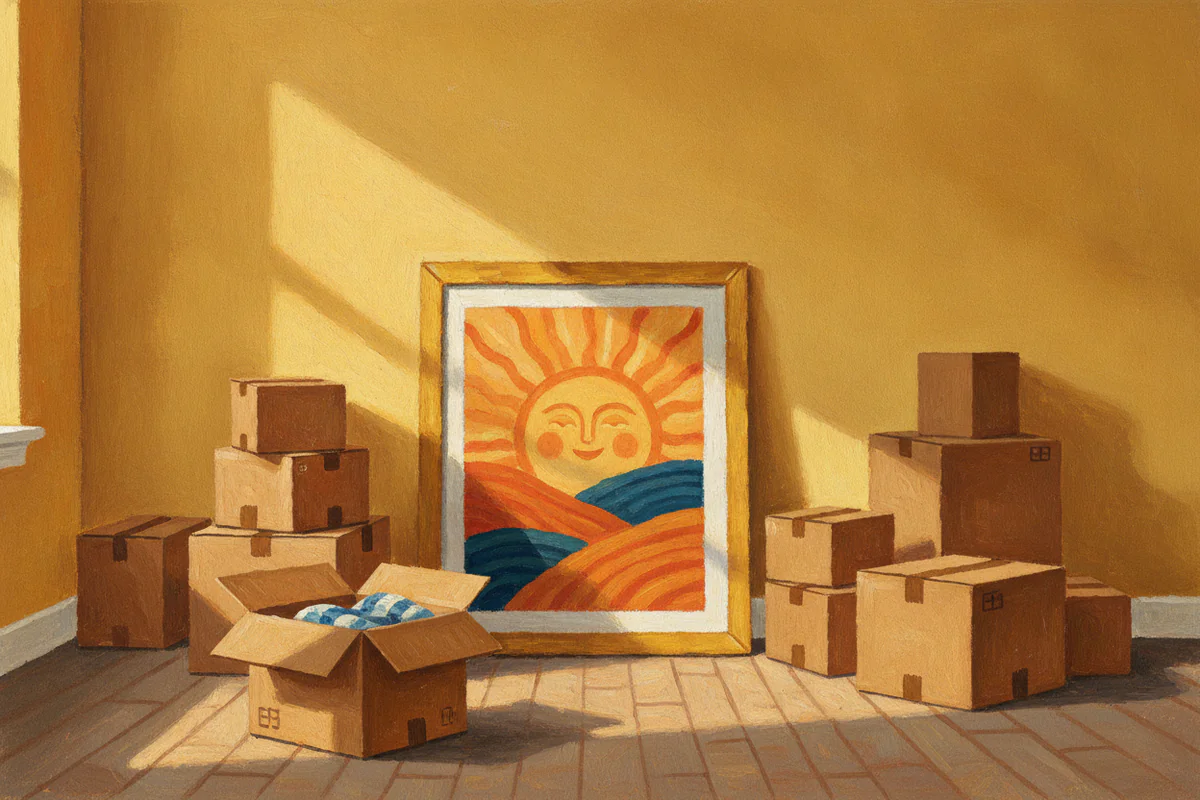
Inspirational quotes in large serif fonts. "Every dog has its day" is not soothing. Anything with cartoon animals making exaggerated faces - these are designed to catch human attention and they do, loudly. Bright red anything. And please, no skeleton or anatomy prints in the waiting room, even if they're medically interesting. Save those for the back office.
The goal is a room that an anxious animal walks into and doesn't immediately get more anxious. Art can't do all of that work. But it can stop making things worse, and sometimes - if you choose well - it actually helps.